Step Out of Your Daily Life. Step into Your Creative Self.
Imagine an entire weekend dedicated to one thing: your writing or illustrating.
Come join a small group of supportive people who share your goal of creating excellent books for young readers. Leave behind the cooking, cleaning, and endless emails to gift yourself rare uninterrupted creative time in a peaceful, inspiring setting. Write. Draw. Revise. Brainstorm. Receive thoughtful critiques. Share with fellow creatives who understand the joys and challenges of bringing a book to life.
In April, we invited authors to apply for a six-month mentorship with one of our PAL (Published and Listed) members. Open to writers in the earlier stage of their career, the SCBWI-L.A. mentor contest has been a springboard to many a successful career.
This year’s mentor, Rebecca Langston-George received several worthy applications from local writers, all of whom have bright futures ahead. She is grateful to have friends in the writing community willing to trust her with their precious stories and wants to thank each person who applied.
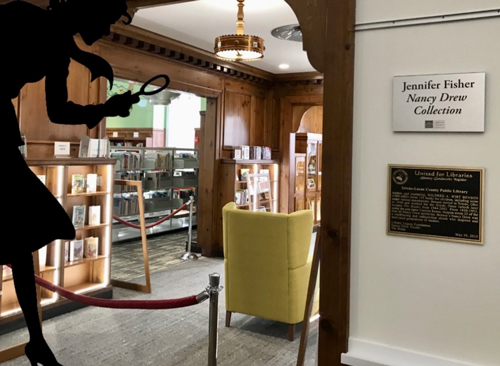
Entranceway to the Jennifer Fisher Nancy Drew Collection at the Toledo Lucas County Public Library
From childhood fandom to literary preservation, one woman has spent decades helping safeguard Nancy Drew’s legacy while building a community for readers who have never stopped believing in the iconic sleuth.
Before there were conventions, archives, or dedicated museum-style collections, there were simply readers.
Readers like Jennifer Fisher, who grew up devouring Nancy Drew mysteries before eventually becoming arguably Nancy Drew’s foremost historian and preservationist, having donated more than 5,000 objects of her own for fans to explore and enjoy at the world’s largest collection of Nancy Drew materials.
And readers like me, a little girl growing up in Toledo with her own shelves full of Nancy Drew mysteries, who also once convinced a furniture store to sell her parents a Nancy Drew book that had been set up as part of a mock–living room display.
Decades later, those two parallel reading journeys converged inside the Toledo Lucas County Public Library, where Fisher’s expansive Nancy Drew Collection now draws visitors from around the country, fans who make literary pilgrimages to see the collection in person.
As Nancy Drew approaches her 100th anniversary, Fisher is working to continue to preserve rare artifacts and publishing history alongside her organizations, the “Nancy Drew Book Fans” and the “Nancy Drew Sleuths,” providing fans with a place to gather and a sense of belonging in celebration of a beloved fictional teenage detective.
In our conversation for SCBWI, Fisher discusses fandom, literary preservation, storytelling authenticity, and why Nancy Drew still resonates nearly a century later.
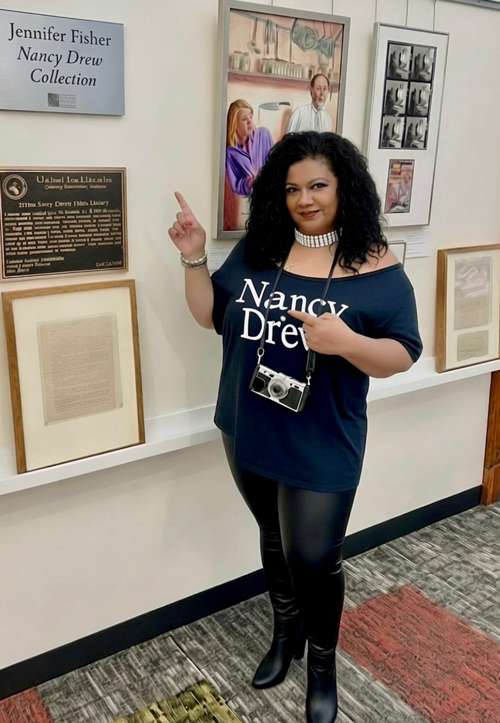
Philana Marie Boles visits the Jennifer Fisher Nancy Drew Collection during the series’ 95th Anniversary Conference.
Every writer wants to create something that lasts. A book that sells. A story world where readers return again and again, across years, even generations. Little House on the Prairie. The Chronicles of Narnia. Harry Potter. And nearly 100 years after its first publication, Nancy Drew.
Even if it isn’t one’s goal to write a multi-book series, the principles behind Nancy Drew’s staying power apply across genres and formats for all writers to consider. Readers connect with characters they enjoy, understand, and trust.
Originally written for girls aged 12–16, Nancy Drew has expanded into more than 600 mysteries since its debut in 1930 and an IP world that now includes a series for even younger readers, one with college-era stories, a modern reboot, and a contemporary relaunch. Television, film, and video games have sustained a global readership spanning generations, and Nancy Drew is arguably the earliest and most enduring example of a scalable story world.
Have you ever thought about writing nonsense poetry for children? It holds such great appeal, and librarians will tell you that poetry collections of this genre are among the favorite books that kids take home.
What makes nonsense poetry so popular? Perhaps most important, it is whimsical and imaginative. But rather than trying to define it further (since its borders are ever-widening), looking at some common elements is probably more useful.
Wordplay
“Betty Botter bought some butter,
But she said this butter’s bitter…”
Who among us as children didn’t try to repeat “Betty Botter Bought some Butter” or “Peter Piper Picked a Peck of Pickled Peppers”? These tongue twisters,classics that have been with us for centuries, offer an engaging challenge to kids when reading them aloud or memorizing them. Today there are even whole books written with that style, for example, Margaret Mahy’s Bubble Trouble.
Tweaking words in humorous ways for the sake of rhyming is another time-honored technique. Chris Harris, in his poem “The Modern Dinosaur,” cleverly messes with our language by using “thinked” as a punch line set-up for “extinct.” And in “The Hungry Giraffe,” he pairs “swallow” with an unexpected “tomallow.”
I’ve been a proud member of SCBWI since the mid-1980s. I was a young, unpublished writer who met other dreamers at a National Convention in Southern California. Forty or so years later, we remain best of friends, with children’s books that cross age groups and genres. I was thrilled to be selected as the mentor for the 2025 SCBWI-Los Angeles Mentorship Contest for Middle Grade Authors. Giving back is a rewarding way to honor the many mentors who helped shape my career.
It was Halloween. Many of us came in costume. We all bared our souls. We tendered—and tended—our words. Ate, played, and laughed together. This year’s SCBWI-Los Angeles Working Writers Retreat took place from October 31–November 2, and it was a sweet treat.
Faculty, attendees, and the SCBWI-L.A. team at the spirited SCBWI-Los Angeles 2025 Working Writers Retreat
Adam Blackman, Acquisitions Editor for Cardinal Rule Press, is on the faculty at the 2025 SCBWI-LA Working Writers Retreat
Registration for this year’s SCBWI-LA Working Writers Retreat closes in four days, and the event is only a few weeks away. Retreat faculty member Adam Blackman is Acquisitions Editor for picture books at the Cardinal Rule Press and a freelance editorial consultant on books for all ages. In this interview, he gives Kite Tales a taste of what he brings to a retreat conversation and what he hopes attendees will bring with them and be able to take away. In conversation, Adam listens closely, smiles easily, and laughs often. He also notes, “You can put in brackets, ‘gestured with hands,’ because I speak with my hands so much. It’ll be an art note.” Hooray, an editor with no fear of art notes! This interview has been edited for clarity and brevity. – JF
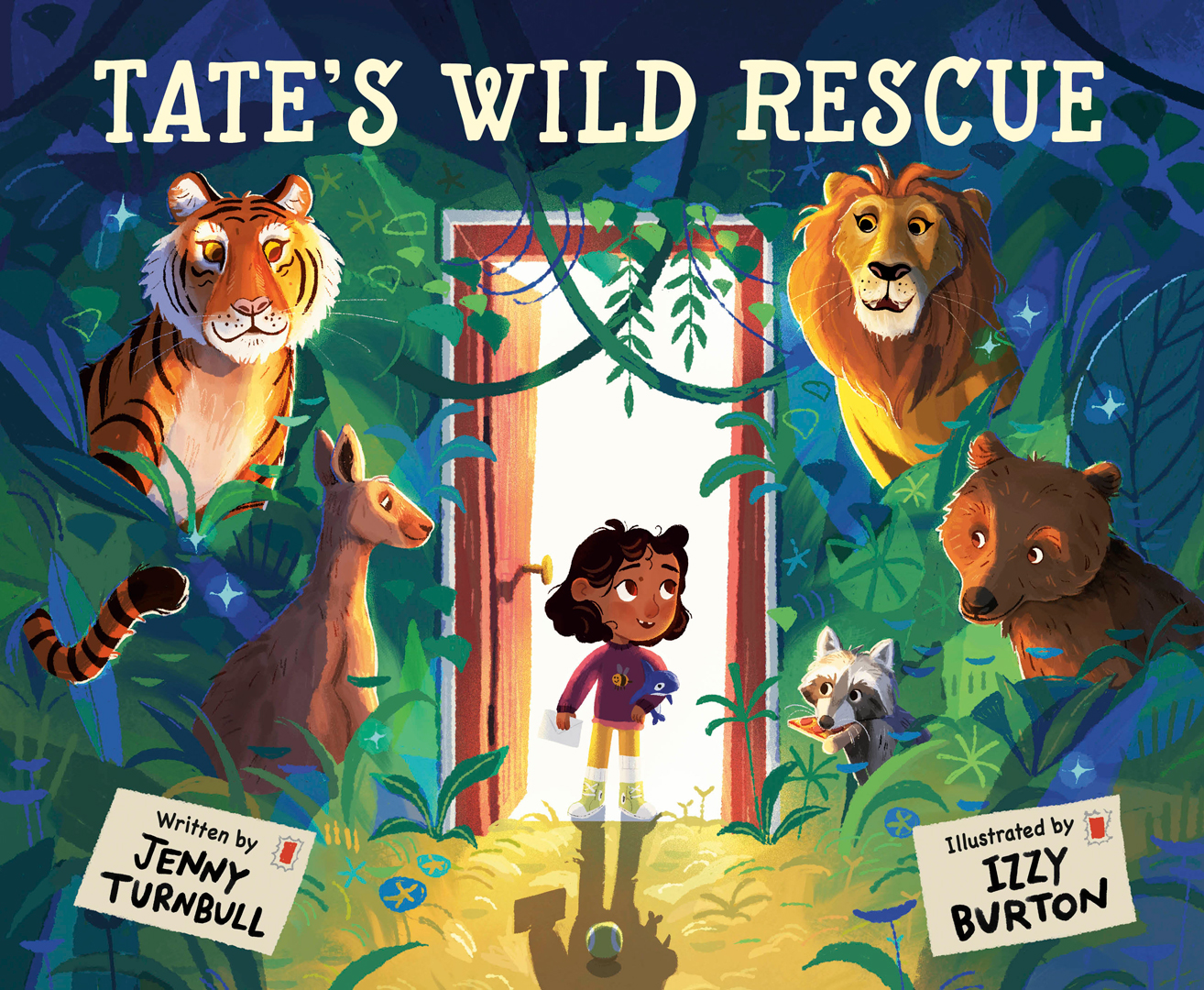
Kelly Pellico: Jenny, welcome to Kite Tales and congratulations on the one-year anniversary of your debut picture book, Tate’s Wild Rescue!
Jenny Turnbull: Thank you, Kelly. It’s exciting to be here celebrating Tate‘s first book birthday!
KP: What was the initial spark for this story?
JT: Tate’s story is rooted in my lifelong love of animals and feeling wild animals are happiest free in the wild where they can thrive, while companion animals deserve the love and comforts of home. Commitment to our furry family members, and animal welfare, has always been so important to me.
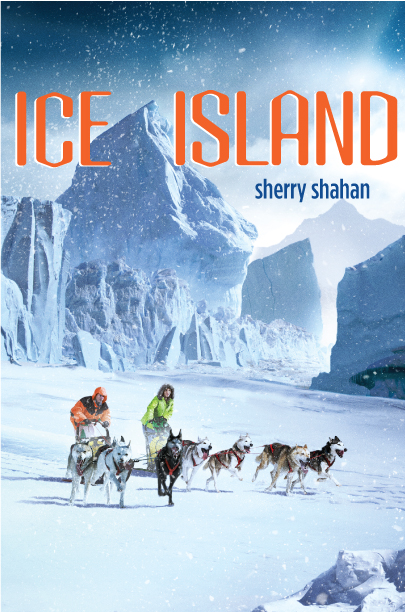
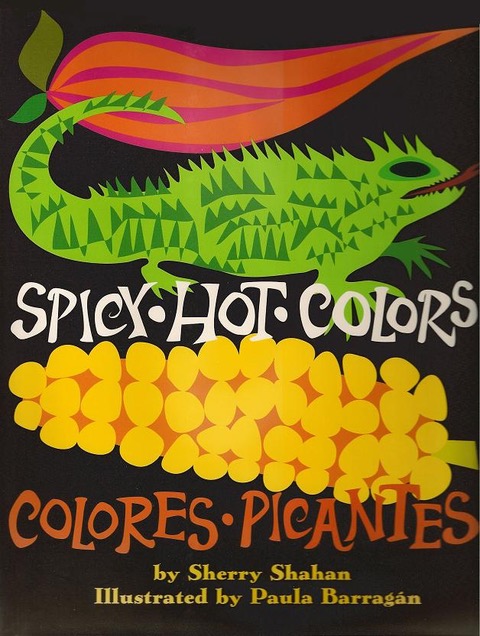
In March, we invited writers to apply for a six-month mentorship with one of our Published and Listed members, and we received a record number of entries! This year’s mentor, Sherry Shahan, joins us to announce the winner and discuss her selection process.
by Sherry Shahan
What a pleasure to spend time with this year’s mentee submissions, written by accomplished playwrights and actors, teachers, artists, music lovers, well-published poets, and other creators. While genres and approaches differed, each writer presented realistic characters with heartfelt desires. Their unique personalities shined through. Stepping into their characters’ worlds at the beginning of their transformations was a remarkable, emotional experience.