
by Philana Marie Boles
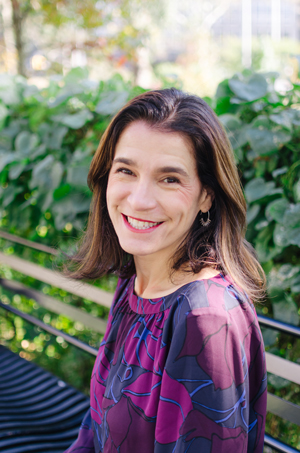
Joy Peskin’s personality is so unassuming that it can seem at odds with the magnitude of the rank and importance of her current role as Executive Editorial Director for Farrar, Straus and Giroux Books for Young Readers.
She graduated from Vassar College and earned a certificate from Columbia University’s Radcliffe Publishing Course before starting off her career as an assistant for a small education publishing company called Course Crafters in Massachusetts. Next, she worked for powerhouses such as Puffin Books, Scholastic, and Viking Children’s Books before settling into her current role at FSG in 2012.
Over the years, she has guided such acclaimed authors as Dashka Slater, Mariama J. Lockington, Christina Wyman, Tameka Fryer Brown, and Hope Larson through the editorial trenches.
The remarkable and refreshing contrast in Joy’s career, however, is her balance of extraordinary editorial credentials with a tender approach with writers.
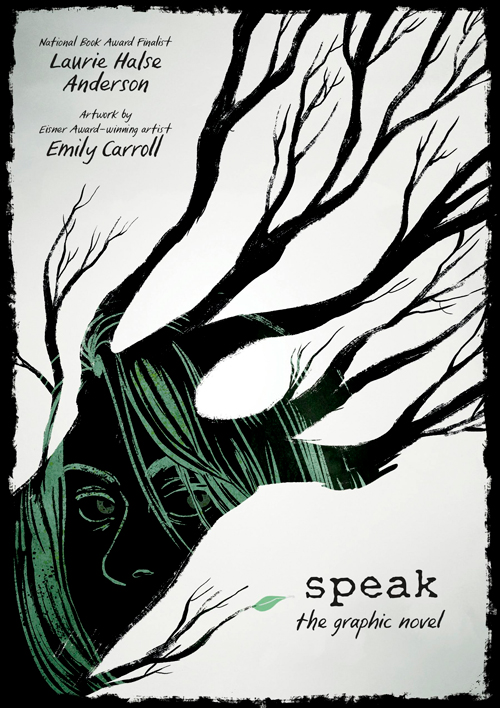
I first met Joy when she was associate publisher for Viking Children’s Books, then a division of Penguin Books for Young Readers, during her writer’s workshop in New York City. I was the only Black girl in a roomful of aspiring writers, but I had gone to a predominantly white high school and university, so this isolation didn’t bother me. I was just excited to be in the room with the woman who had edited one of my most admired authors, Laurie Halse Anderson. I wanted to absorb. I never imagined that she would acquire my novel a week later.
Joy’s championing of diverse literature is reflected across her decades-long editorial list. She is committed to amplifying all voices in literature and to allowing there to be a variety of the types of stories told within cultures. My editorial experience with Joy was extraordinary, and the lessons learned everlasting. She showed me, and by default the world, that diversity in publishing need not be limited by typecasting what writers of color can write about.
As Joy was an early beacon of light for my own writing journey, I’m honored now to shine a spotlight on her.
PHILANA MARIE BOLES: I’m hoping to demystify the role of an Editorial Director with this interview, to humanize you a bit, because editors can seem so larger than life to writers in some ways. You’ve been at FSG for 12 years now and I want to hear about the climb. Can you also share a not so celebratory aspect of your career climb with our readers?
JOY PESKIN: Twelve years and yet it still feels very fresh and exciting. Looking back at my career, my first position was publisher’s assistant. It was just a small group of us. It was the publisher, I was her assistant, and then there was an editor. That was it. It was my first job and I learned so much about every aspect of publishing. Then, I made a mistake. I made a typo on a $250 merchandise order for the company. It was mortifying. What I remember though is that my boss was gracious about it. I offered to pay for the error myself, and she wouldn’t let me. She reminded me that it was just a mistake and that things happen. I have never forgotten that.
It all led to now, my dream job. It is a perfect mix of working with my authors and managing six editors, which I love.
PHILANA MARIE BOLES: How does FSG decide on what manuscripts to acquire for publication?
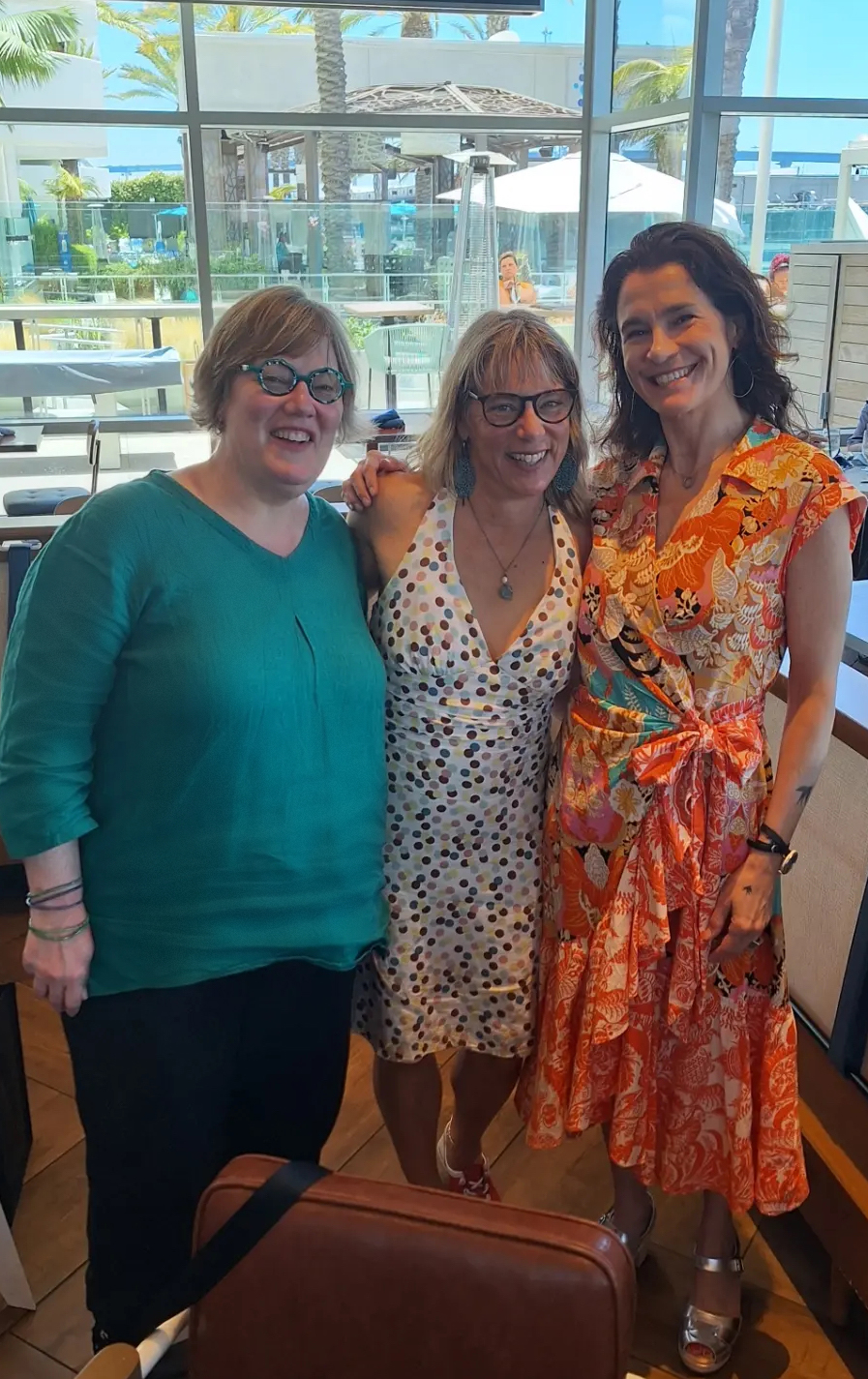
JOY PESKIN: All the editors, including me, bring in projects that we are considering to our FSG BYR editorial meetings. We all read them, or at least a portion of them, and then we help each other make the best possible choices for acquisitions. We do this by looking at each one through a bunch of different lenses.
Do we like it? Is it well written? Is the storytelling competent? Is it propulsive? Is the line-level writing good?
And then beyond discussing if it’s good, we also discuss if we need it. What holes does it fill in our list? Also, can we sell it successfully in the marketplace? There might be many submissions that we love, but then we might not have a vision for publishing them successfully. And that’s something I will say in my rejections, which is very sincere. If I don’t have a vision for putting a story out into the world in the way that it deserves to be, then it shouldn’t be with me. Another editor, another publisher, might have the vision that it needs.
We publish three lists a year—winter, spring, and fall—so we also must ensure that we have the right books on each of our lists. We usually publish about 50–55 books a year. And so that leads to another discussion for our decisions… Is the list equal, as far as picture book, middle grade, YA… A perfect list for me, is nicely balanced.
PHILANA MARIE BOLES: In a world that is seemingly ruled by public platforms and social media influencers, does any of that ever factor into acquisitions? Like maybe the writing isn’t that great, but the author has a huge social media following… Does that ever happen at FSG?
JOY PESKIN: It does. And yet it’s also not as significant as writers might think it is.
In my opinion, it only really factors in if somebody is a legitimate celebrity, not so much if they’re sort of a regular person who has a decent following. I think writers can sometimes make themselves too nervous about this. For what we publish at FSG, it’s still about the work. I’m much more interested in a writer with talent and building a marketing plan around them.
PHILANA MARIE BOLES: Your editorial legacy is so full-bodied and impressive. Is there anyone new to your list that you’d like to tell us about? Any new books to keep our eyes out for?
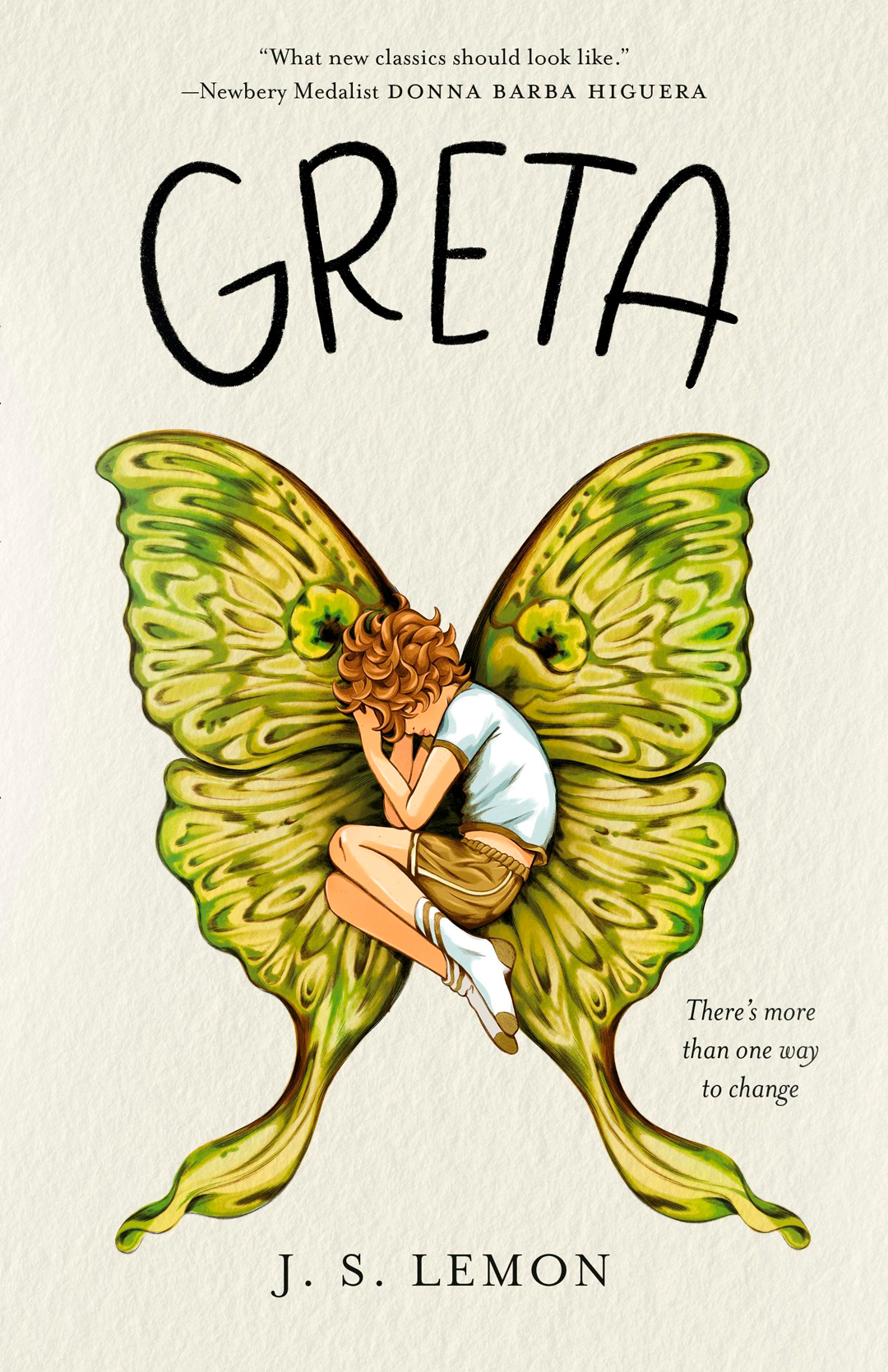
JOY PESKIN: Yes, there’s an amazing debut middle grade novel that we just published called Greta by an incredible author named J.S. Lemon. It is about a girl who gets some unwanted sexual attention at a party, and she turns into a moth. It’s very Kafkaesque, but it’s also funny. It’s about female anger and power and beauty and turning into the thing that other people don’t think of as beautiful but is beautiful to you and is also powerful to you. I read it in one day. I think it came to me on a Thursday, I read it on Friday, and we preempted and bought it from her agent the following week.
PHILANA MARIE BOLES: I can’t wait to read Greta. I know firsthand how awesome the editorial process probably was for J.S. Lemon, but please share some of the logistics with our readers.
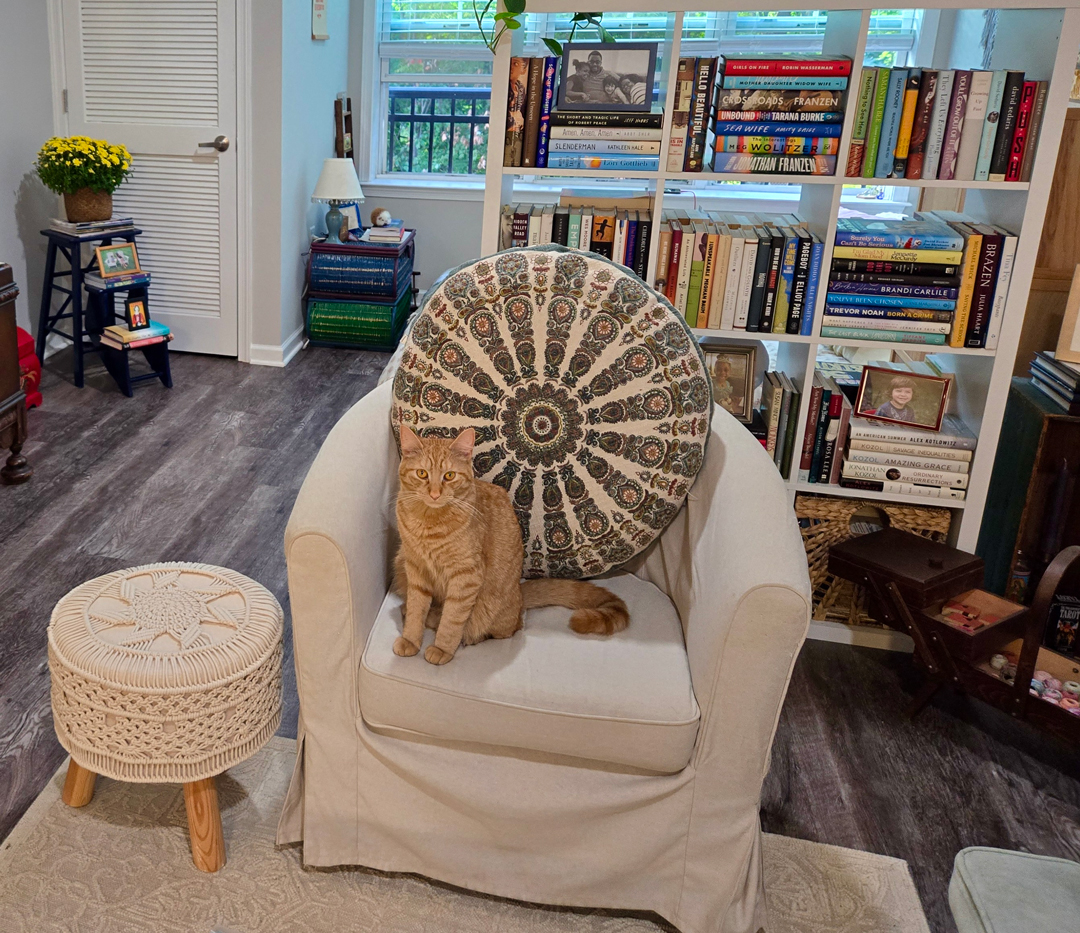
JOY PESKIN: I still have a consistent process. For novels, I first do what I call a clean read. I just read it as quickly as possible, in kind of one gulp, without taking any notes, just to get the shape of it. Then I go back through it for a line edit, adding notes and track changes, questions, comments, and I note things that jump out at me. I also take a lot of time to write out what’s working and what I love. Though I write essays, not fiction, I’m a writer, too, so I want authors to know when to keep the good stuff and what to do more of, since those kinds of notes are used for my own writing, too.
I will add that often the thing that a lot of writers struggle with is timeline. A very common note that I give is, Where are we in time? Is it a few weeks later? Did she just wake up? Is it the next day? Is it later the same day?
After the line edits, I always have a phone call or, these days, maybe a video call. What I have learned over the years is that I don’t know how an editorial letter is hitting an author until we talk it through. The entire editorial process, from draft to copyediting, for me, usually takes around six months.
PHILANA MARIE BOLES: I know this all to be true. It’s important to revise and strengthen, but I can attest that it’s also very motivating to know when what we are doing is working. I very fondly remember living for your little smile-face comments.
JOY PESKIN: Something that I remember about you when I met you as one of my writing students is what I also still look for when acquiring new authors. Life is just too short to work with writers that we don’t connect with. The talent, of course, must be there, but so must a feeling of I want to work with this person. To be an editor is to be sort of a midwife. It is helping someone bring their art into the world. With you, I just knew that you were a beautiful spirit with an important story to tell and that I wanted to work with you.
PHILANA MARIE BOLES: Wow. Thank you so much for seeing me, Joy. Working with you remains a journey that I will never forget. And as a writer of color, especially, I thank you for seeing me outside of themes that at times it feels like we are limited to writing about. My manuscript at the workshop that day wasn’t about racial injustice or oppression, or poverty.
I had a story about a middle-class teenaged girl named Ann Michelle—who happened to be Black, like me—who got backstage at a concert with her best friend and together they embarked on a Thelma & Louise type of on-the-road adventure. You let me write a story that was true to me and my characters and that remains empowering.
JOY PESKIN: I’m a Jewish person. So, I can imagine how I would have felt growing up as a little girl, being an avid reader, if every time the librarians and teachers said, “This is a book for you,” it was about the Holocaust or Jewish suffering. That would have been reductive. So yes, I get it.
I am still somebody who very much likes stories about the difficult parts of life. I also like writing them, and I do write them, but I also don’t only like them. To connect Blackness to suffering in everything we publish is a disservice. And is wrong.
PHILANA MARIE BOLES: It’s impossible to truly express the appreciation in my heart for those sentiments. How can other writers pursue working with you as their editor? What are you looking for, for your list?
JOY PESKIN: Well, first, although I don’t want to break any hearts by stating this, I cannot consider un-agented submissions. But, beyond that, I am looking for books that hit the literary-but-commercial sweet spot and are reflective of a wide reach of readers. I also love narrative nonfiction.
Overall, I am interested in seeing well-written manuscripts with multiple entry points of interest, stories that are relevant, relatable, hopeful, and yet real…
*NOTE: Joy sent me a courtesy copy of GRETA before the publishing of this interview, and I inhaled it as a reader in two days. It was gripping and intoxicating and smart, and complicated. As a reader, it just breaks your heart and also strengthens it. I understand what Joy described as a “need” to have published it.
For more fantastic content, community, events, and other professional development opportunities, become a member today! Not sure if there is a chapter in your area? Check here.

Philana Marie Boles is the author of Little Divas, a middle grade novel, as well as the YA novel Glitz, and adult novels including In the Paint and Blame It on Eve. An in-demand presenter and keynote speaker, she loves to motivate and inspire audiences from school age to adult. She lives and writes in Los Angeles, California.
This interview has been edited for length and clarity.
Joy Peskin portrait by Cassie Gonzales. All photos courtesy of Joy Peskin, used with permission.
 Kite Tales
Pingback: 10 Inspiring Kite Tales Quotes from 2024 | Kite Tales