
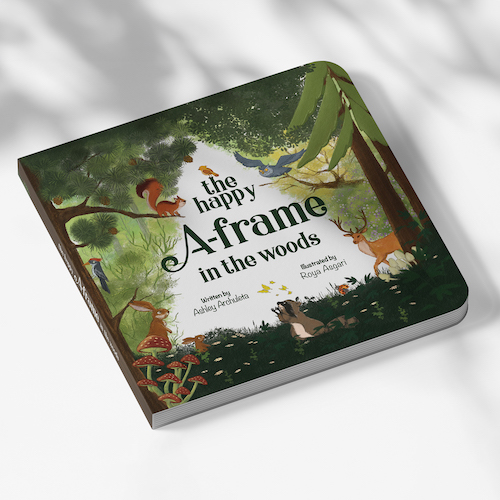
by Roya Asgari
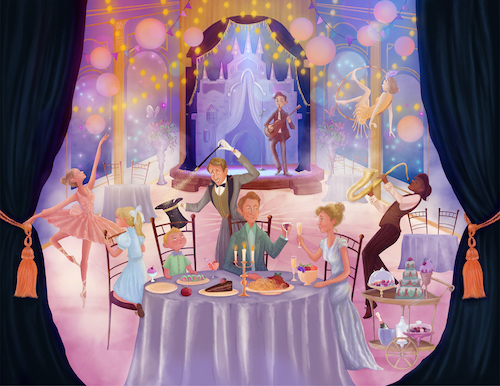
Since becoming a working illustrator seven years ago, I’ve come to understand that creating charming book illustrations requires more than artistic skill. It also takes creativity, storytelling ability, and an understanding of a book’s themes and audience. Here are some tips I’ve learned from working with art directors and self-publishing authors.
Understand the Story: Before starting the illustrations, read and thoroughly understand the book’s narrative, characters, and themes. This will help you capture the essence of the story in your artwork.
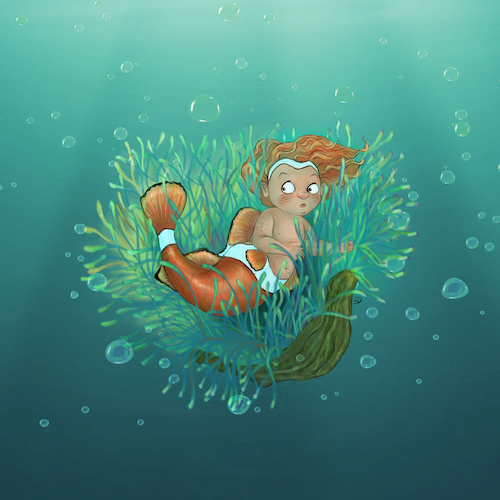
Communicate with the Author or Art Director: For self-published books, communicate with the author to gain insight into their vision for the illustrations. For traditionally published books, you will work with an art director. Either way, collaboration can lead to more cohesive and impactful visual representation.
Know Your Audience: Consider the book’s target audience. Illustrations for picture books may not look the same as those for chapter books or graphic novels.
Tell a Story: Each illustration should contribute to the overall story. Think about the narrative flow and how your images can convey information and emotions visually.
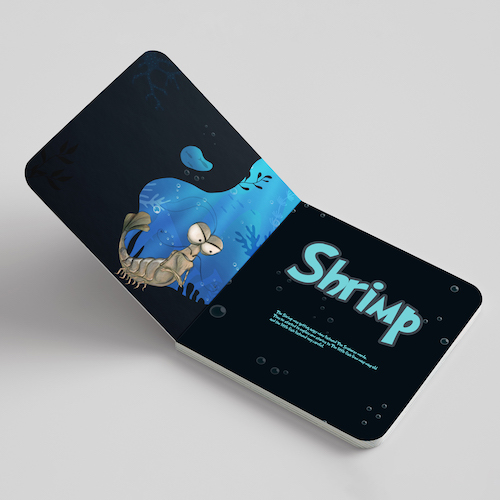
Research and Reference: For accurate and captivating illustrations, thoroughly research the specific time and place in which the book is set. Utilize various references such as photography, documentaries, animation, and history books.
Consider Page Layout and Composition: Be mindful of the book’s layout and composition. Leave space for text and plan illustrations that flow seamlessly with the narrative.
Be Open to Feedback: Welcome feedback from the author, editor, or art director. Use constructive criticism to refine your work through revisions. While considering feedback and adapting to the project’s requirements is important, keep sight of your artistic style. Let your personal touch shine through in your illustrations.
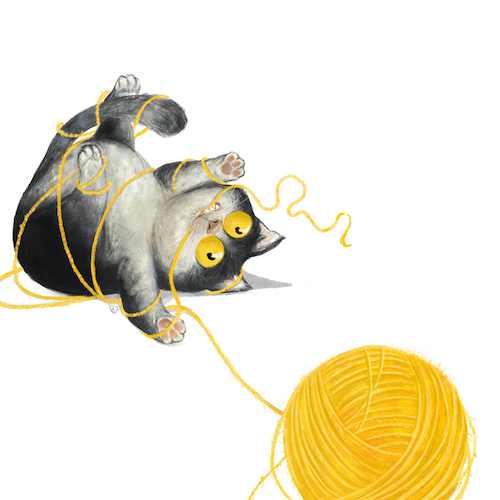
Organization Is Key: Taking notes on every project will help you remember your specific processes and experiences for future illustration projects. Organize your references, files, and artwork for each project. For example, save Photoshop brushes in a folder by project name. Save the color palette of the project in a different layer on Photoshop or Procreate and make a note of your processes by name and date of the project.
Study Master Illustrators and Never Stop Learning: Explore the work of illustrators who inspire you. Analyze what works well in their illustrations and apply those principles to your work. Stay curious, and continue to learn and improve your skills. Attend workshops, read books, and engage with the artistic community to stay inspired. Knowledge is power, so never stop learning!
It’s All in the (Business) Details: Last but not least, don’t start work without the assignment details. Ensure full transparency by having details such as payment, deadline, copyright, and a written contract in place before beginning your project.
Remember that each book is unique and requires illustrations that serve its specific needs. Utilizing the principles above can help illustrators meet their project goals. I wish you much success.
For more fantastic content, community, events, and other professional development opportunities, become a member today! Not sure if there is a chapter in your area? Check here.
***Calling all illustrators! If you’re an SCBWI member in good standing and would like to be featured in the next Illustrator’s Gallery, click here. You do not need to be a published or professional illustrator to apply.***

Roya Asgari is an illustrator and designer who creates pictures that tell stories. She does a lot of her work at her home studio. She enjoys creating artwork with a whimsical twist through traditional mediums and digital tools. Watercolor and ink are her primary mediums. She often uses her tablet to create digital work. www.royasgari.com
Images courtesy of Roya Asgari.
 Kite Tales
Pingback: 10 Inspiring Kite Tales Quotes from 2024 | Kite Tales